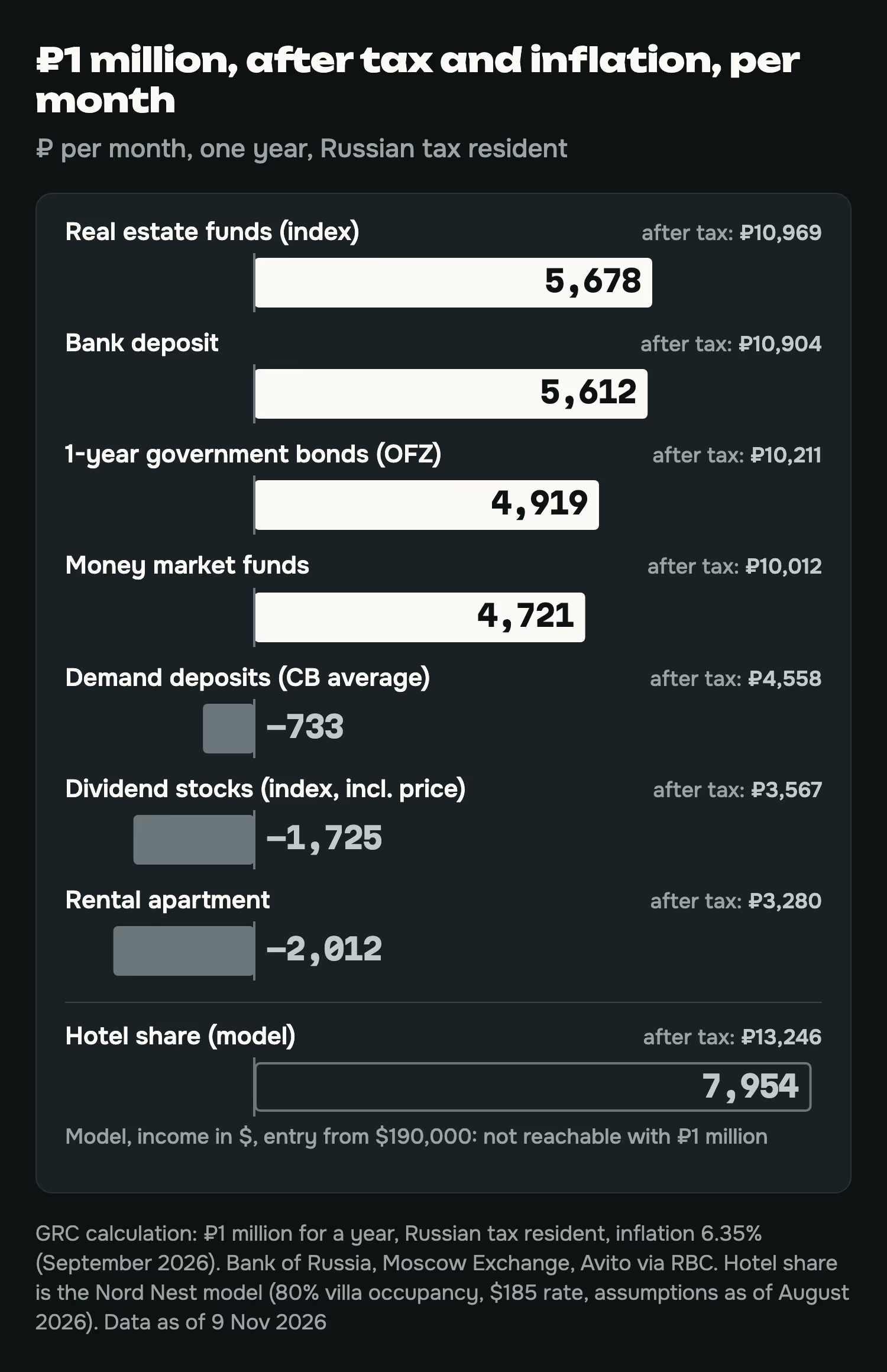
On ₽1 million a deposit pays about ₽10,900 a month: that is what the best deposits of the ten largest banks give on average. There is no tax on that interest. After inflation about ₽5,600 remains. Anything above that takes risk or work.
We compared eight options on one sum, ₽1 million for a year (about $12,250). For each we counted what is left after tax and inflation, and how many hours a month it takes (hours are our estimate: there are no surveys on this). All figures are as of 9 Nov 2026.
Passive income investments: what ₽1 million pays across 8 options
Here passive income means what you keep after tax and inflation, plus the hours you spend getting it.
Annual inflation as of September 2026 was 6.35%. On ₽1 million that eats about ₽5,300 a month, so every option has to beat that number.
Of the seven ruble options, four stay positive after inflation: deposit, real estate fund, government bonds and money market funds. The hotel share is positive by the model too, but its income is in dollars, and we subtract ruble inflation only as a convention.
What is wrong with where your money sits now
Before choosing where to invest, look at where the money is sitting today.
For most people that is a card or a savings account. The Central Bank reports an average rate of 5.47% on demand deposits (August 2026). Inflation is 6.35%. That is minus 0.88 points, or −₽733 a month for every million.
There are no separate statistics for savings accounts: 5.47% is the Central Bank average for demand deposits, and it includes money on cards. A particular account may pay more, but the higher rate often applies only for the first months. Check how long the bonus rate lasts and what comes after.
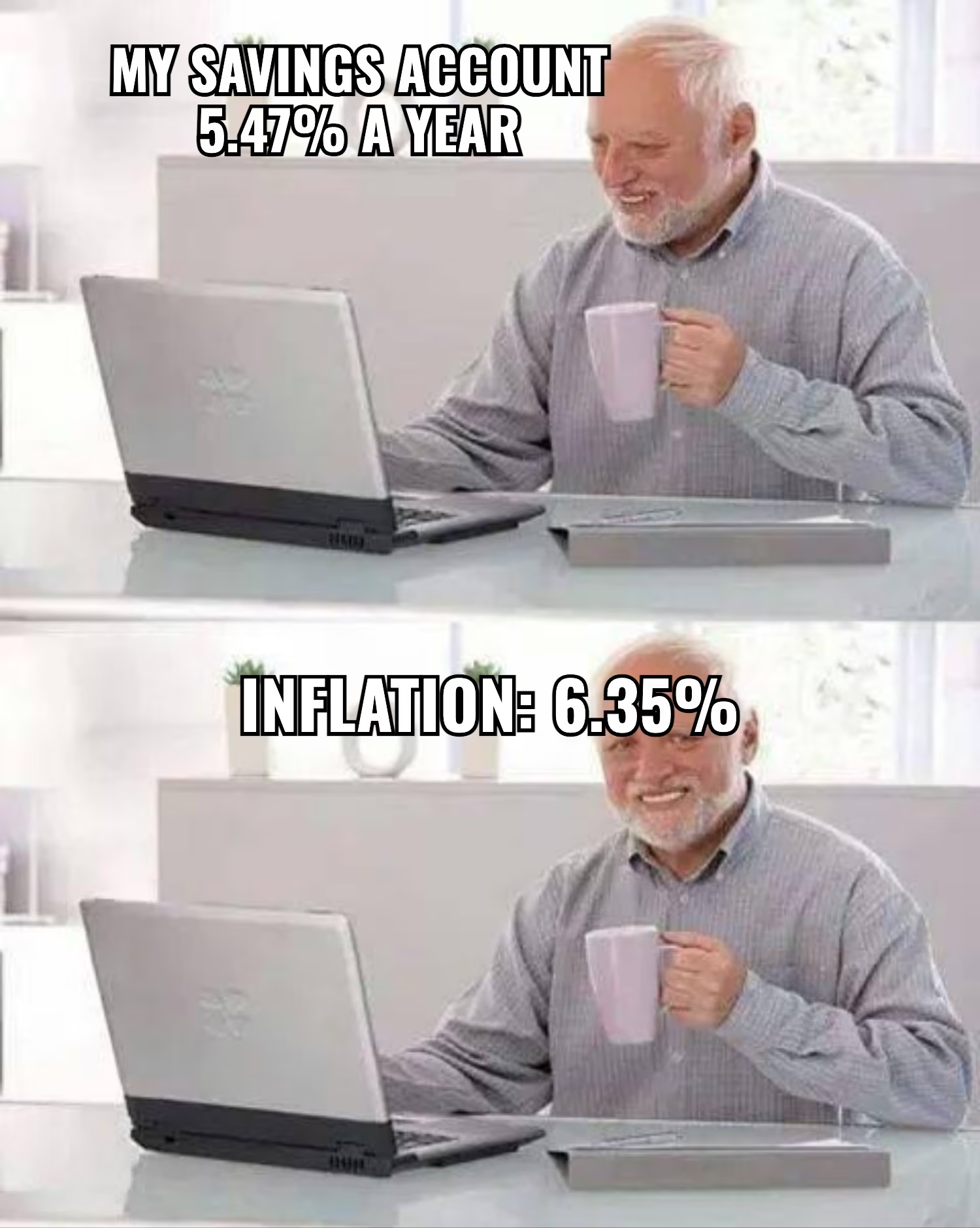
You can take the money out any day, which is what an emergency cushion needs. As income, though, it shrinks in real terms.
Where to put money with no risk: deposit, government bonds, money market funds
No risk in the strict sense means only a deposit within the ₽1.4 million insurance limit. Government bonds carry price risk if sold before maturity, and funds carry a floating rate and a fee.
Deposit. The rate is 13.085% (average top rate of the 10 largest banks, last third of October 2026). That is ₽130,850 a year, or ₽10,904 a month. There is no tax because the interest is under the ₽160,000 tax-free limit (Tax Code, art. 214.2). One limit covers all of a person’s deposits and accounts.
The limit is counted per calendar year. Interest on a deposit opened now arrives mostly in 2027, and the 2027 limit depends on the key rate on the first day of each month: at 14% it is ₽140,000, and ₽130,850 is still below it.
After inflation it is ₽5,612 a month, and it takes about 0.1 hours. Deposits are insured up to ₽1.4 million per bank.
One-year government bonds. Yield is 14.08% (Moscow Exchange curve, 9 Nov 2026). After 13% tax that is ₽10,211 a month, ₽4,919 after inflation.
If you hold to maturity, the price along the way does not matter. If you sell earlier, you can get less than you paid: the government bond index lost 4.1% on price over the year.
Money market funds. The benchmark is the RUSFAR rate, 13.81% on 9 Nov 2026. After tax that is ₽10,012 a month, ₽4,721 after inflation.
We did not subtract the fund’s fee because we found no source for it. The rate floats: a year ago RUSFAR was 16.34%.
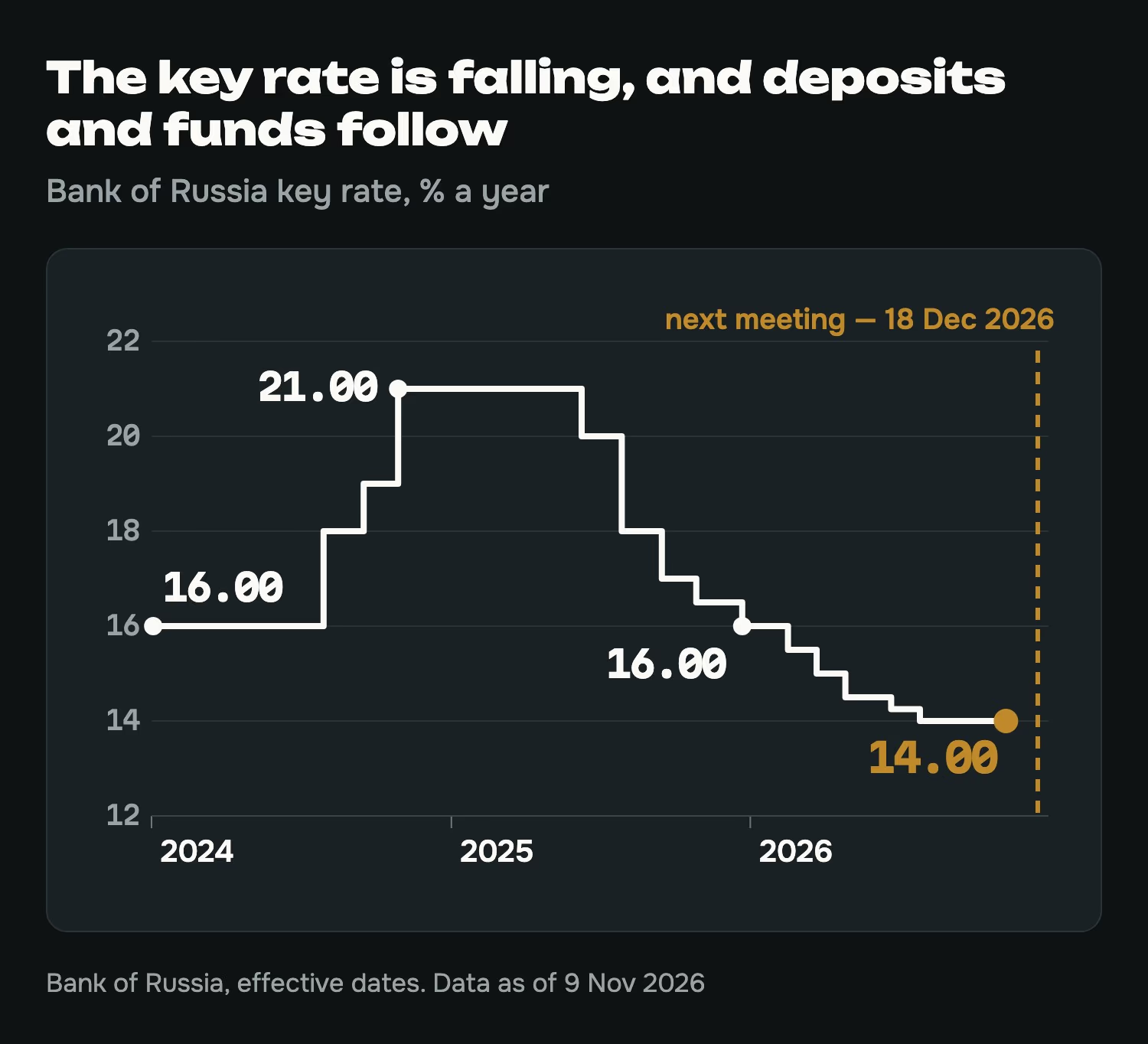
Rates are falling. The key rate has been 14% since 27 Jul 2026, and the next Central Bank meeting is on 18 Dec 2026.
A term deposit and a bond lock in today’s yield, while a money market fund follows the rate down. If you are choosing a term, that difference is worth weighing.
Dividend stocks: the income is real, but so is the price move
Dividends of the Moscow Exchange index over the past year came to almost 9% before tax (8.92 points). After tax that is ₽6,467 a month on a million.
The index price fell 3.46% over the same year, though. Together, after tax, that is +4.28% for the year: ₽3,567 a month and −₽1,725 after inflation. These are last year’s numbers; next year can look different.

Of the financial options, stocks need the most attention: about 3 hours a month for reports, payment dates and taxes (GRC estimate). You can sell on any trading day, at whatever the market pays.
Passive income from real estate: an apartment is a second job
Gross yield on a one-bedroom in Moscow is 4.1%: rent of ₽60,500 a month on a price of ₽17.9 million (Avito via RBC, May 2026). ₽1 million will not buy that apartment, so the percentage is only a yardstick. The full calculation is in investing in real estate.
After the self-employed tax (4%), a million gives ₽3,280 a month, and −₽2,012 after inflation. We did not subtract vacancies, repairs or fees, so in practice it is lower.

Your time counts too. By GRC’s estimate an apartment takes about 3.3 hours a month: collecting rent, finding a tenant, drawing up a lease, calling a repairman.
In a month when a tenant moves out and you look for a new one, it is 15 to 20 hours. At that point it is a second job with a floating salary.
Real estate fund and a business stake: property without tenants
Real estate fund. The Moscow Exchange real estate fund index rose 15.13% over the year, payouts and fund share prices included (10 Nov 2025 to 9 Nov 2026). After tax that is ₽10,969 a month, ₽5,678 after inflation, for about 0.5 hours. This is last year’s result, and the next one can differ.
There is a cap: without passing a test, a non-qualified investor can buy closed-end fund shares for no more than ₽300,000 a year, so ₽1 million cannot go in at once. More in collective real estate investing.
A stake in a business. We use our own project as the example, a share in the Nord Nest hotel. The model gives 18.7% a year at 80% villa occupancy and a $185 average rate (assumptions as of August 2026), and about 12.5% at 50% occupancy. After a cautious tax estimate, 15.9% of the 18.7% remains: ₽13,246 a month on a million, ₽7,954 after inflation.
The hotel is under construction, with handover planned for the end of February 2027; 18.7% is a model of a working hotel.
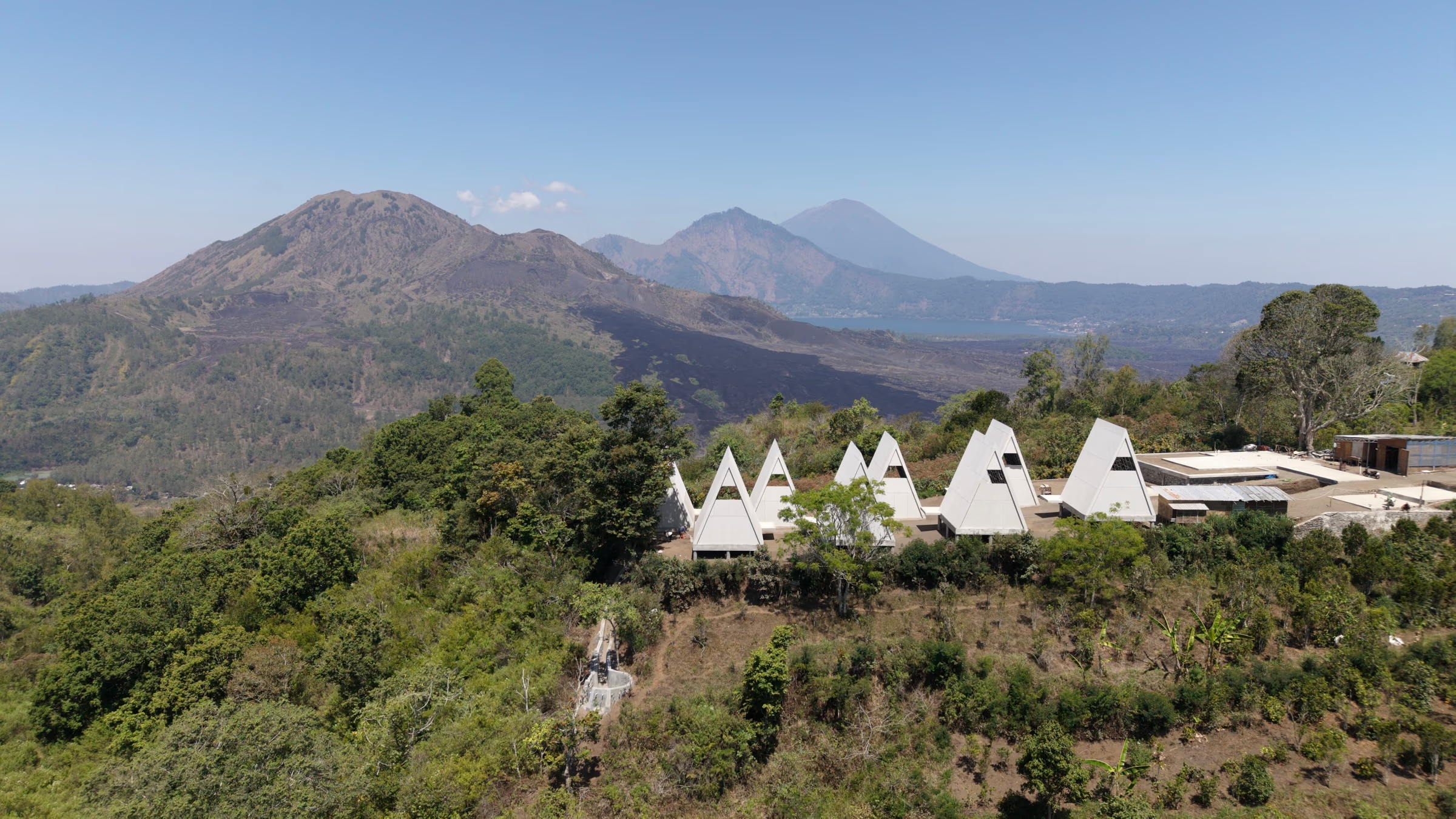
The limits: entry is $190,000 for a 10% share, so ₽1 million (about $12,250 at the Central Bank rate of ₽81.67 per dollar on 4 Nov 2026) does not get you in. There is a two-year lock-up, income is in dollars, and a co-owner holds no title to a specific villa.
This is a model, not a promise. The calculation is open in the finance section.
Where to invest in 2026: how the options compare
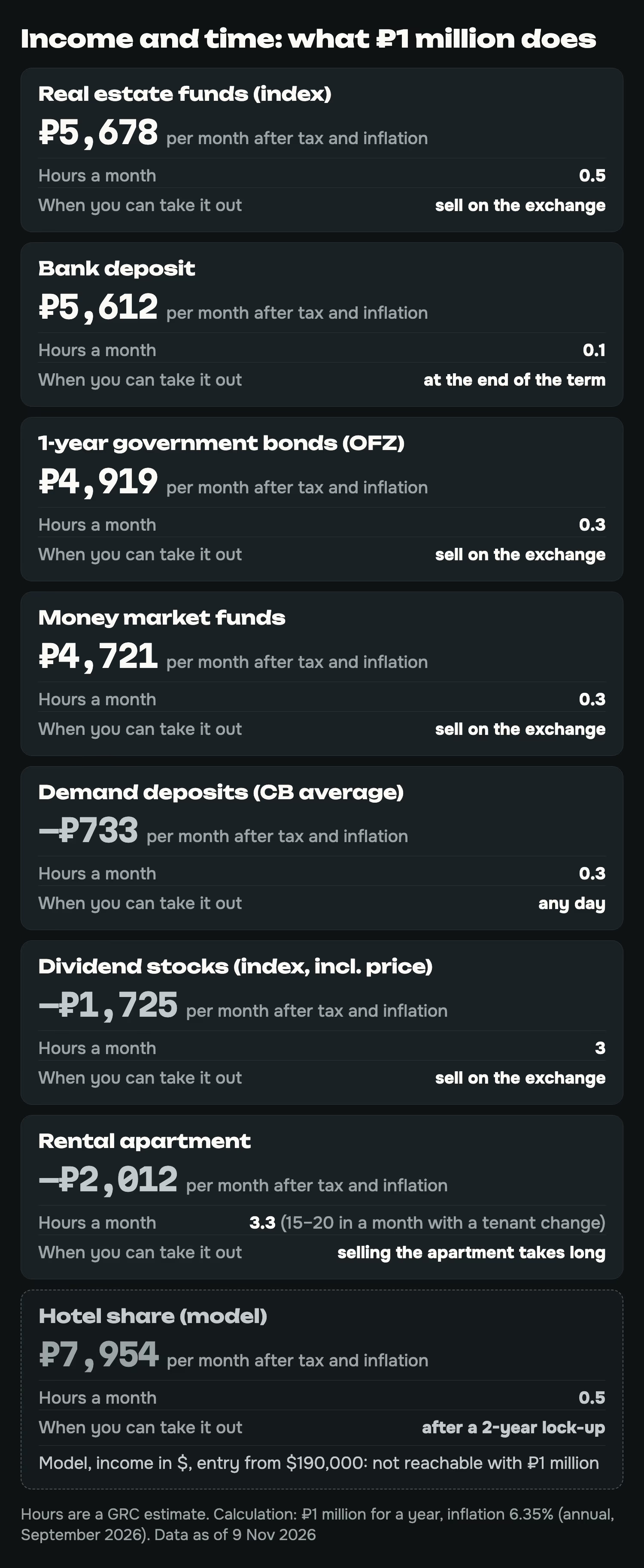
The short version, per month after tax and inflation (hours are a GRC estimate):
- Deposit: ₽5,612, 0.1 hours.
- Real estate fund: ₽5,678, 0.5 hours, capped at ₽300,000 a year without a test.
- Government bonds: ₽4,919, 0.3 hours.
- Money market funds: ₽4,721, 0.3 hours.
- Demand deposits (CB average): −₽733, 0.3 hours.
- Stocks: −₽1,725, about 3 hours.
- Apartment: −₽2,012, about 3.3 hours.
- Hotel share: ₽7,954 by the model, 0.5 hours, entry from $190,000.
Measured as income per hour of work, the deposit wins by a wide margin, and stocks and the apartment come last. The risks of property investing are covered in real estate investment reviews.
Questions and answers
Where to put ₽1 million with no risk?
No risk in the strict sense means only a deposit within the ₽1.4 million per-bank insurance limit: about ₽10,900 a month, no tax, about ₽5,600 after inflation. Government bonds carry price risk if sold before maturity, and money market funds carry a floating rate and a fee.
How much does ₽1 million earn per month?
After tax and inflation, from −₽2,012 (apartment) to ₽5,678 (real estate fund); a deposit gives ₽5,612. The hotel share is ₽7,954 by the model, but ₽1 million does not get you in.
Is a rental apartment passive income?
No. By GRC’s estimate it takes about 3.3 hours a month, and 15 to 20 hours in a month when you look for a new tenant. Gross yield in Moscow is 4.1%, and after tax and inflation it turns negative.
What tax applies to deposit interest in 2026?
None, as long as interest on all your deposits and accounts for the year stays under ₽160,000 (Tax Code art. 214.2, one limit per person). Above it, 13%, and 15% on income over ₽2.4 million a year.
What will happen to deposit rates?
The key rate has been 14% since 27 Jul 2026, and the next Central Bank meeting is on 18 Dec 2026. A year ago RUSFAR was 16.34%, now it is 13.81%. We do not forecast the future rate.