You can check a developer in Bali before sending money if you know what to look at: the company, the land right, the zoning, the permits, the contract with its payment schedule, who runs the villa after handover, and the site itself. Most of it sits in public databases or can be requested in writing.
Where we say “our reading”, it is our conclusion from the text of the law, not a quotation. Data as of October 2026.
What to check, where, and what should worry you:
- The company. Where: AHU Online and OSS (NIB). Worrying: not in the registry, no NIB, no real estate or hotel activity listed.
- The land right, and whose it is. Where: the certificate, checked by an independent notary or PPAT at the land office (BPN). Worrying: “ownership” offered to a foreigner, someone else’s name on the certificate.
- The plot’s zone. Where: GISTARU and the KKPR for this plot. Worrying: a rice field or protected farmland, a KKPR “in progress”.
- The building permit (PBG). Where: SIMBG, a copy of the document. Worrying: construction is under way and the PBG is “coming soon”.
- The certificate to operate (SLF). Where: SIMBG, a copy of the document. Worrying: the villa takes guests without an SLF.
- Whether it can be rented to tourists. Where: the operator’s NIB in OSS, the SLS. Worrying: listings exist, the NIB does not.
- The contract and payment schedule. Where: a draft PPJB in advance, a notary you choose. Worrying: the seller’s notary, a lease extension promised “verbally”.
- Who manages it after handover. Where: the management agreement, a report from a working property. Worrying: only spoken return figures.
- How the build is going. Where: dated photos and video, a site visit. Worrying: only renders and undated photos.
The company: PT, PT PMA and NIB

A foreign developer usually works through a PT PMA: an Indonesian company with foreign capital. The status alone proves little. Our reading: a PT and an NIB show that the company exists and may carry out its declared activity, but they do not show that a particular project has its permits.
Since 2 October 2025 the minimum paid-up capital of a PT PMA is Rp 2.5 billion; it used to be Rp 10 billion (Investment Ministry/BKPM Regulation No. 5/2025). The investment threshold of more than Rp 10 billion per business activity and per location remains, and for real estate it includes land and buildings.
The check takes five minutes. On ahu.go.id open “Profil Perusahaan Perseroan” and search by company name or deed number: you should see the date of the deed and the directors. On oss.go.id, “Pencarian NIB” shows the NIB and the registered activities (KBLI).
Ask for a copy of the deed of establishment, the Ministry of Law approval and the NIB. If they refuse to share them, that is already an answer.
Land rights: a foreigner cannot hold freehold
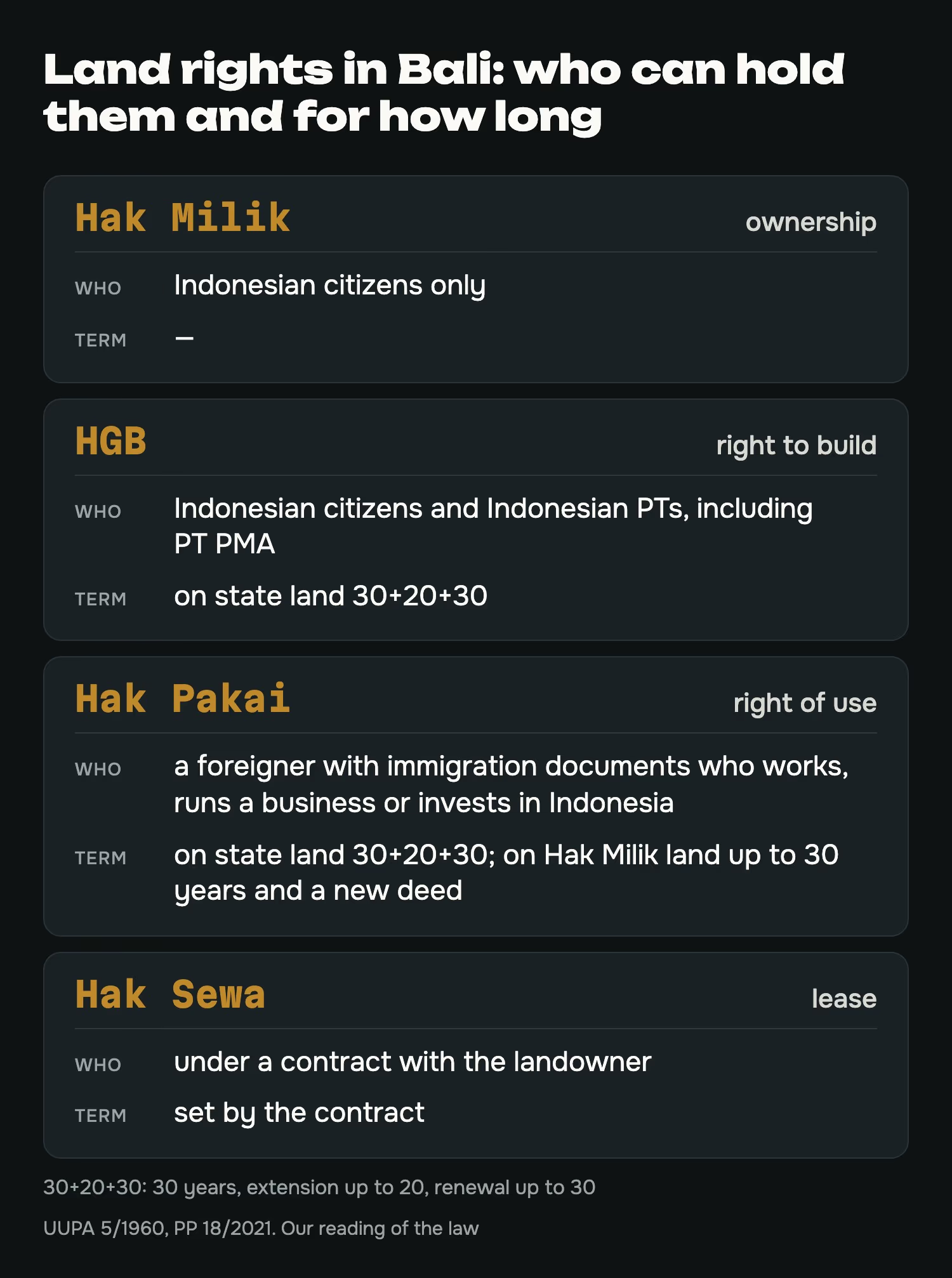
Hak Milik, freehold title to land, belongs only to Indonesian citizens (the Basic Agrarian Law, UU 5/1960). A deal that passes it to a foreigner, directly or indirectly, is void, the land goes to the state and the money paid is not refunded.
Other rights exist. Our reading: an Indonesian PT, including a PT PMA, can hold HGB (right to build): on state land up to 30 years, extendable by 20 and renewable by another 30 (PP 18/2021). A foreigner whose presence benefits Indonesia (running a business, working or investing there) can hold Hak Pakai (right of use) with the same terms on state land; housing requires immigration documents. On Hak Milik land, Hak Pakai runs up to 30 years and there is no 20-year extension, only a new deed.
When the term ends, the land goes back to the state or to the holder of the management right. The previous holder may get priority, but not a guarantee.
A land lease (Hak Sewa) is a contract with the owner, and you agree the term and the renewal price with them. “80 years with guaranteed renewal” is not backed by anything we could find: the law sets no such fixed term.
Ask for a copy of the certificate (sertipikat) and have an independent notary or PPAT check it at the land office (Kantor Pertanahan, BPN). Look at whose name is on it, which right it is and until what year.
Zoning: can anyone build on this plot
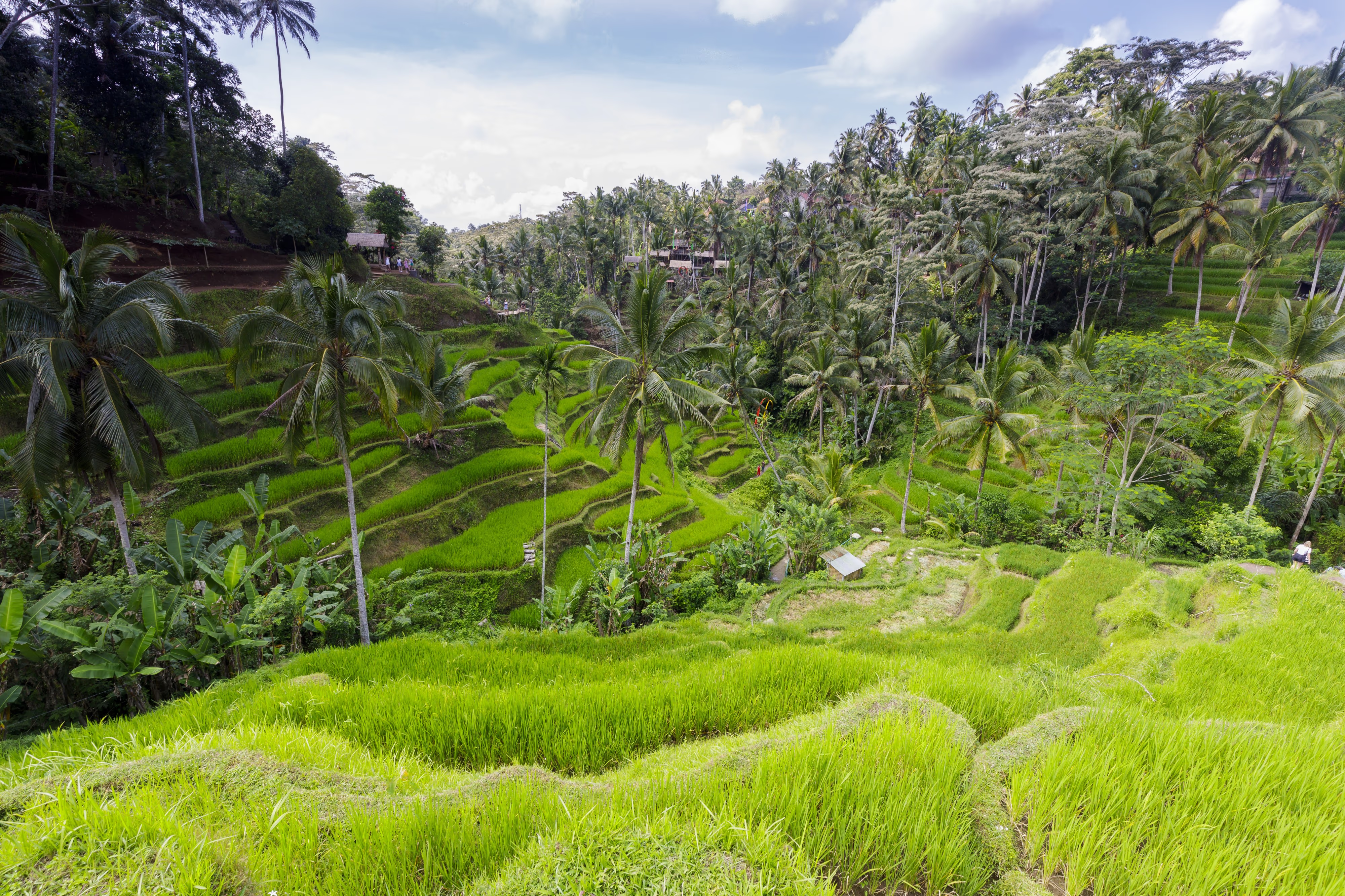
The first check on a plot is the KKPR: confirmation that the planned use matches the spatial plan (PP 28/2025). Ask for the KKPR for your plot and compare the zone yourself on gistaru.atrbpn.go.id: enter the coordinates and look. Not every area of Bali has a digital plan yet.
Productive land is a separate matter. Protected farmland (LP2B) may not be converted (UU 41/2009, art. 44), with exceptions only for public needs.
Bali tightened this in 2025 and 2026. In July 2025 the governor said that no more permits would be issued for tourism facilities on productive land. After the September 2025 floods he repeated that no new hotels or restaurants would be allowed on rice fields. In February 2026 the provincial regulation Perda No. 4/2026 followed; more on it below.
We found no blanket ban on new villas across the island. The restrictions concern productive land. Ask directly: is the plot LP2B, and does it sit on a protected rice field.
PBG and SLF: permission to build and permission to operate
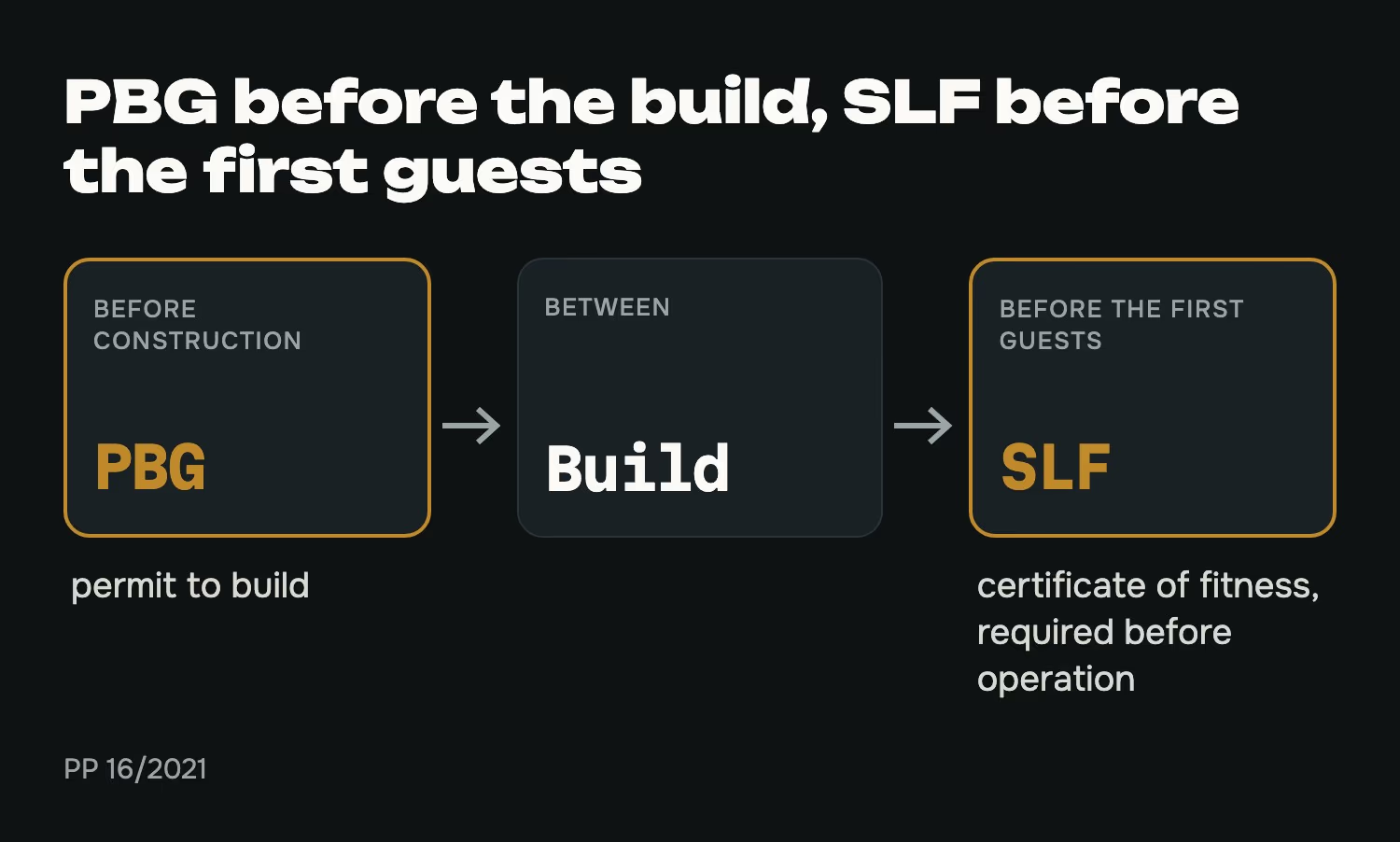
PBG (Persetujuan Bangunan Gedung) is the permit to build a structure to technical standards. It is filed before construction starts (PP 16/2021). Our reading: it replaced the earlier IMB.
SLF (Sertifikat Laik Fungsi) is the certificate that a building is fit for use. The owner must obtain it before the building is used. Our reading: a building without an SLF cannot lawfully be operated or let to guests.
Both documents go through the electronic SIMBG system (simbg.pu.go.id). We could not confirm a public look-up by number, so ask for a copy of the document and match the address and area to what you are being sold. The district authority can also confirm it.
If construction is running and the PBG is “coming soon”, that is a red flag. So is a finished villa that takes guests without an SLF.
A licence to rent to tourists
To rent a villa to tourists you need an NIB and a certificate under the activity standard. For a villa under the Tourism Ministry’s current standard (Permenpar No. 6/2025, in force since 10 October 2025), the requirements include a sanitation certificate (SLS).
The standard describes a villa as a private house managed by its owner. Our reading: an outside operator or an aparthotel falls under a different standard, so ask which model is planned. The activity code 55193 is moving to KBLI 2025, so confirm it in OSS.
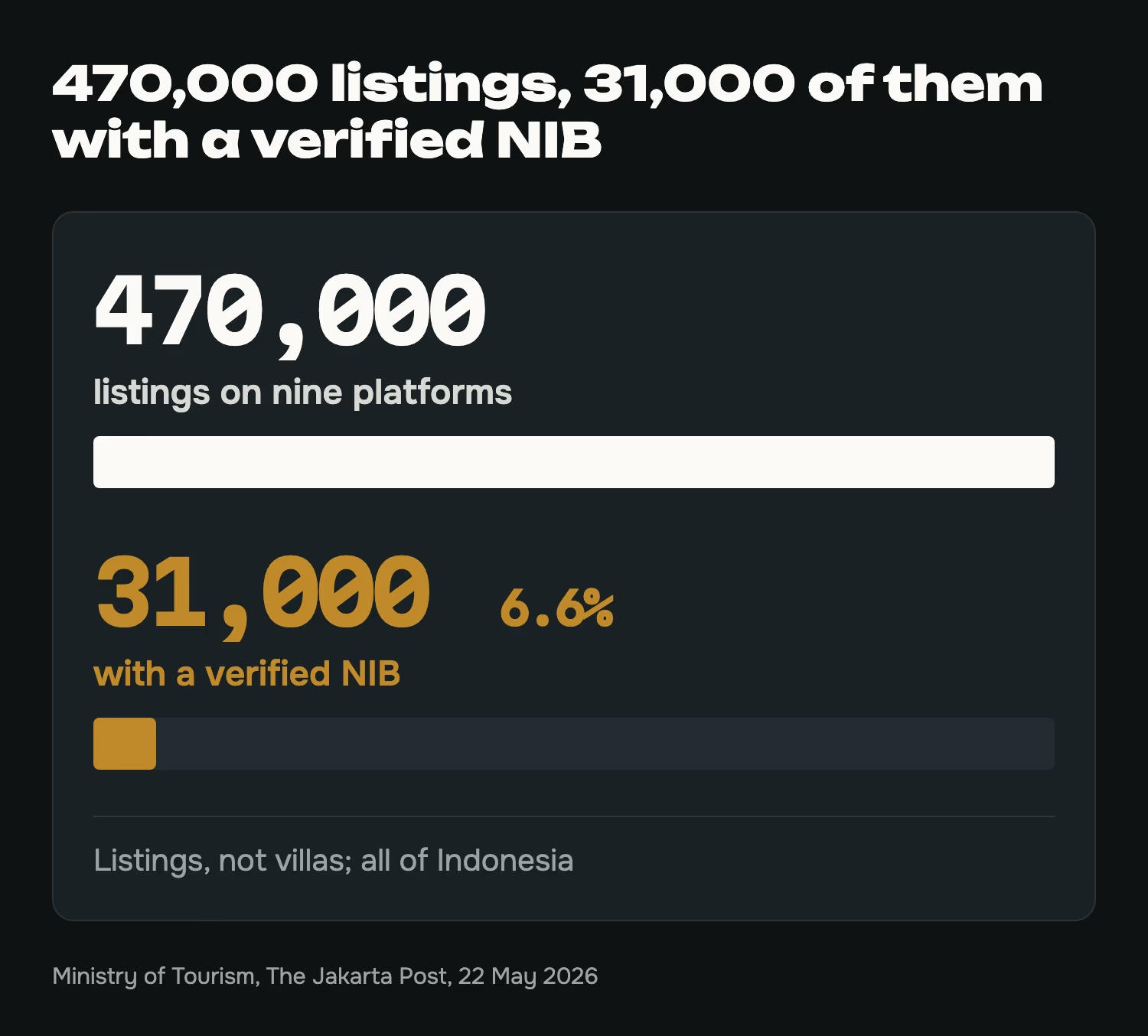
The scale of the problem shows in the ministry’s numbers: of 470,000 listings on nine platforms, only about 31,000 have a verified NIB (The Jakarta Post, 22 May 2026). These are listings, not villas, and they cover the whole country, not only Bali.
In July 2025 the governor reported around 50 illegal buildings demolished in the Bingin area (Antara, 28 July 2025).
For a finished property, look for the operator’s NIB with the activity “villa” or “hotel” in OSS, and for the SLS. For one under construction, ask who will hold the licence: the developer, the owner or the management company.
Contract, notary and money
A preliminary sale agreement (PPJB) is signed before a notary (PP 12/2021). It can be concluded once the land status, the subject of the sale, the building permit (PBG) and the infrastructure are settled and the building is at least 20% complete. To market a project, a developer needs the zone, land rights, a PBG and a completion guarantee from a guarantee institution (a support letter from a bank or a non-bank financial institution).
We found no mandatory escrow account in these rules, nothing that keeps your money aside until handover. What the law does require is a completion guarantee from a bank or a non-bank financial institution.
The PPJB rules are written for selling freehold houses. Whether they apply to leased land and leasehold villas, we could not establish.
A schedule of “a deposit, then payments by construction stage” is market practice, not a rule. You are entitled to ask for it in the contract, and you should.
Ask for the draft PPJB in advance. Check who owns the land, which right it is, which documents are attached (certificate, PBG), the payment schedule and what happens on a delay. Choose the notary and the PPAT yourself rather than taking the seller’s, and give the documents to your own lawyer before you sign.
Nominee schemes: land or shares in someone else’s name
A nominee scheme puts land or company shares in a local person’s name while the foreigner uses them. The Investment Law (UU 25/2007, art. 33) treats agreements under which PT shares belong to another person as void.
For land the same logic as in the land-rights section applies: passing Hak Milik to a foreigner, directly or indirectly, is void. Our reading: “registered to a stand-in Indonesian” falls under it.
Since February 2026 Bali has Perda No. 4/2026, which bans transferring land through nominees. It provides for stopping activity, closing a facility, revoking permits, demolition and fines, and the sanctions reach intermediaries too (Kompas, 26 February 2026).
Check whose name the land and the shares are in. “Blanket powers of attorney” and statements that someone holds property on another’s behalf should worry you.
Investing in Bali property: who runs the villa after handover
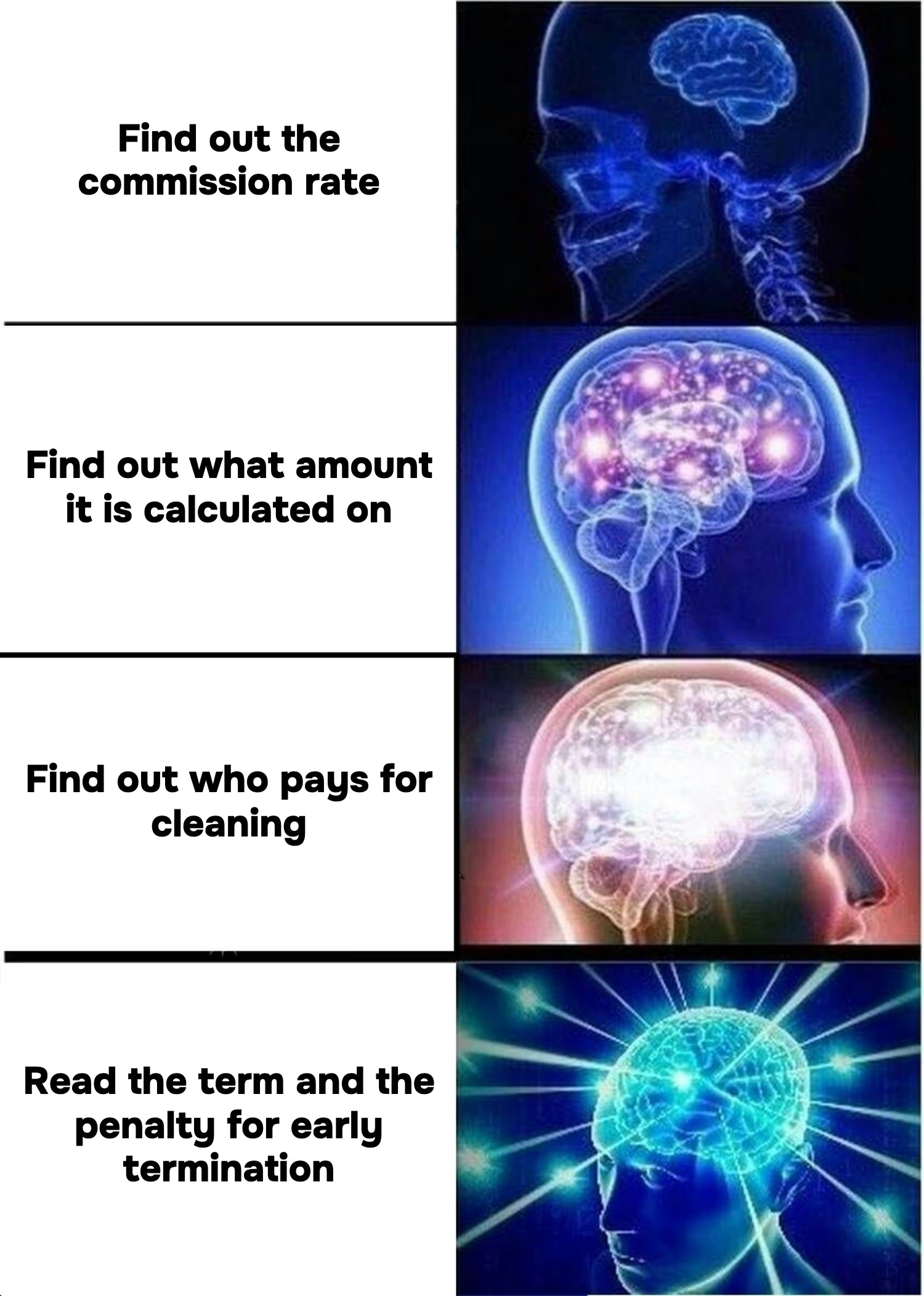
If a villa is bought to be let, the main question after the build is who is paid before you. Booking platforms charge per booking: on Airbnb most hosts pay a single fee of 15.5%, while Booking.com does not publish a percentage.
A management company, by market estimates, often takes 20–30% of revenue, but there is no independent measurement for Bali. One island operator writes on its own site “usually 15–20%”, so the range is wide and the answer is in the contract.
Ask for the management agreement. Look at the percentage and what it is taken from (before or after platform fees), who pays for cleaning and utilities, the term, and the penalty for early exit. Ask also for a report from a property this operator already runs, one you can match against the platform statement.
We covered that line in the article “The line ahead of the investor’s money”, and villa income figures in our look at villa returns in Bali.
How the build is actually going
A render shows what a villa will look like; a dated photo shows what it looks like now. Ask for photos and video with dates and geotags, compare the stage with the schedule in the contract, and better still visit the plot or hire an independent construction supervisor.
We stream the Nord Nest build live and fly a drone over it; four flights are below, each dated.
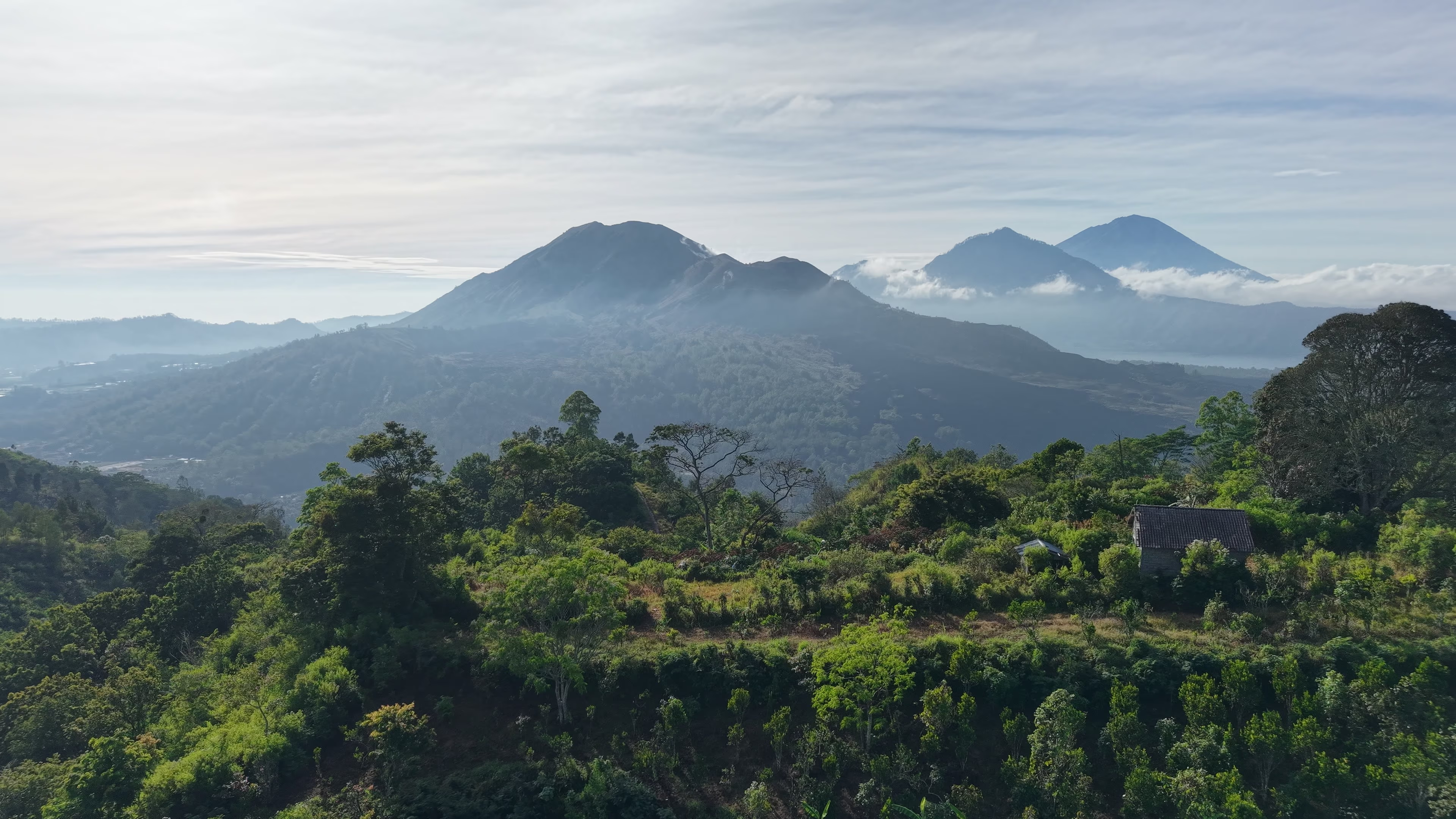
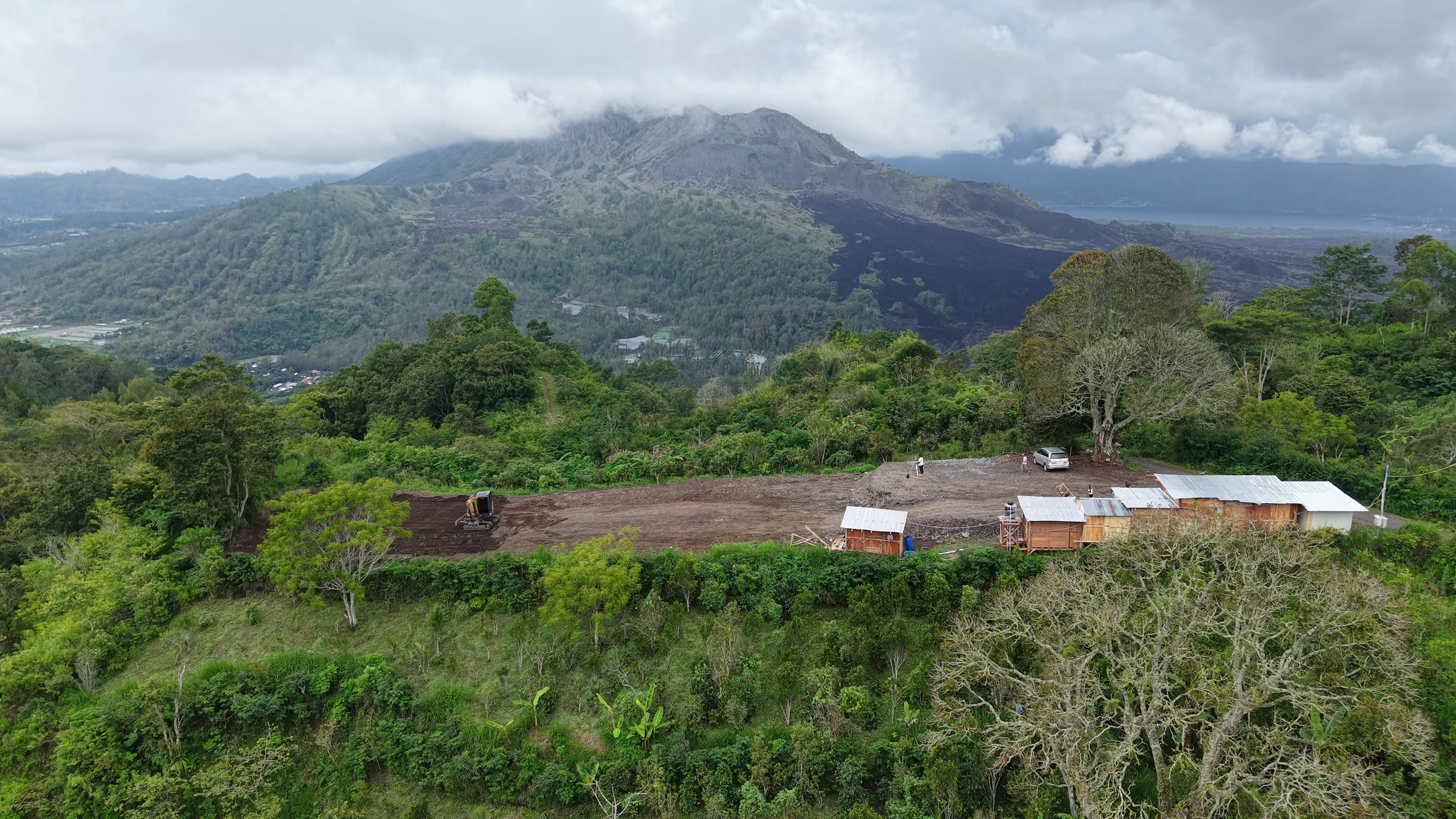
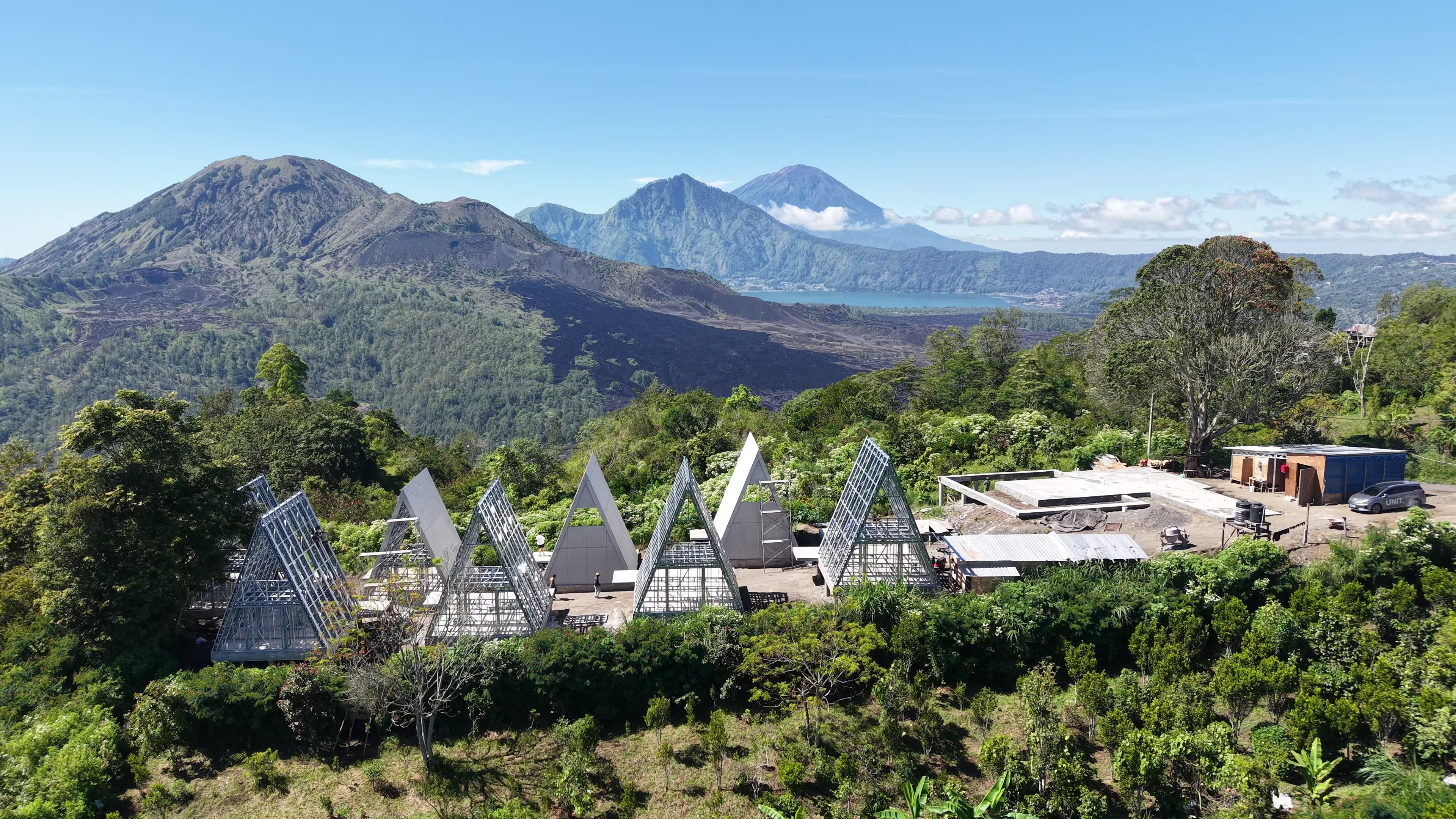
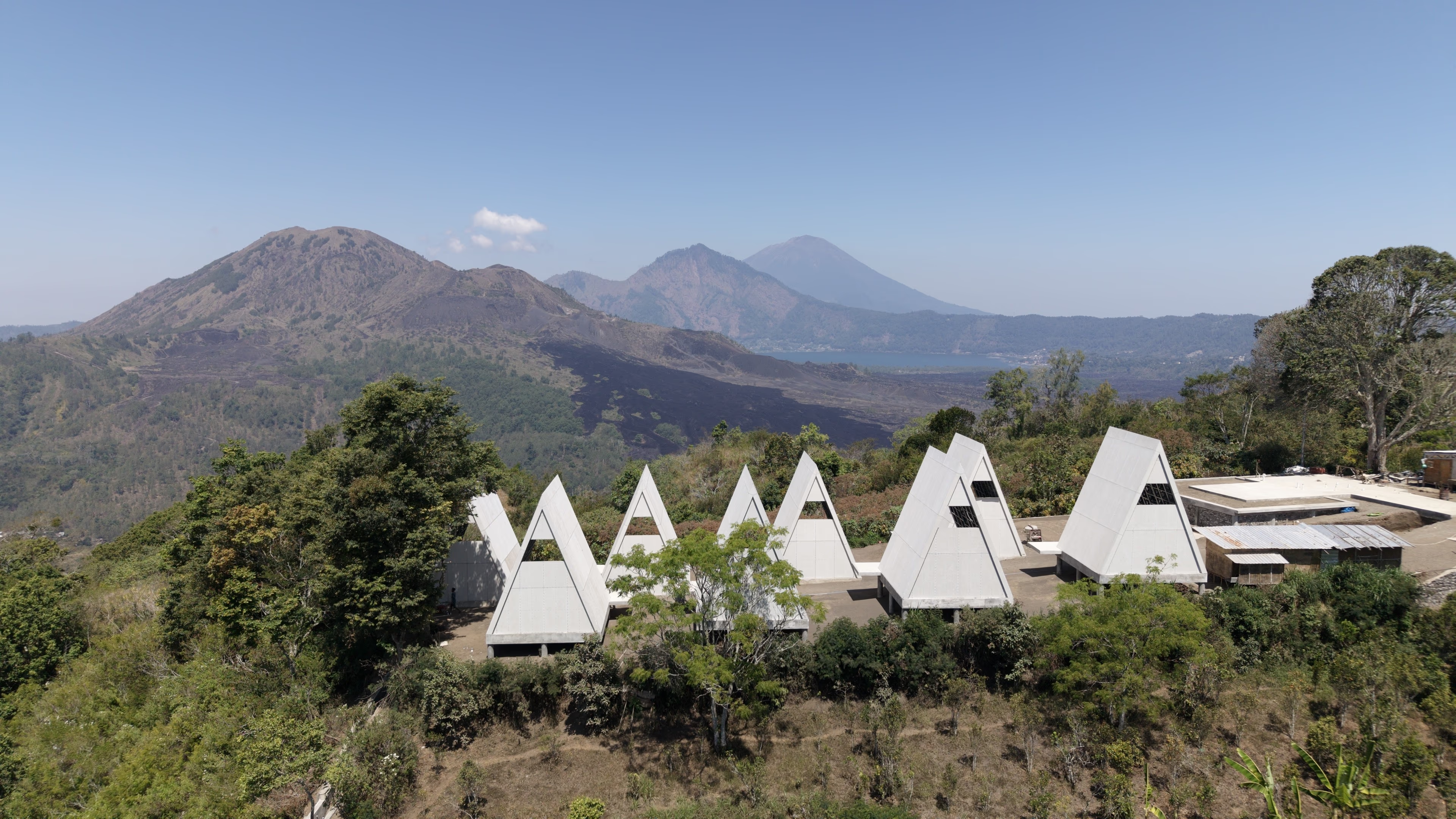
If a developer has no dated frames, ask why. More about the project is on the Nord Nest page.
What next
Once the checks are done, the question is how much of the income a villa leaves its owner. That is the next article: who is paid ahead of the investor.
Frequently asked questions
Can a foreigner buy land in Bali?
Not as freehold: Hak Milik is only for Indonesian citizens. A foreigner has access to Hak Pakai (if their presence benefits Indonesia: business, work, investment) and to leases, and an Indonesian company, including a PT PMA, can hold HGB. This is our reading of the law.
What does PT PMA mean?
An Indonesian company with foreign capital. Since 2 October 2025 the minimum paid-up capital is Rp 2.5 billion, and for real estate the investment figure includes land and buildings.
Do I need a lawyer?
Yes, your own, not the seller’s. Give them the certificate, the draft PPJB, the PT’s deed of establishment and the NIB: they will check the land right, the zone and the exit terms.
How do I check whether a plot can be built on?
Enter the coordinates on gistaru.atrbpn.go.id, ask for the KKPR for the plot, and ask the land office whether it falls within protected farmland (LP2B).
What are PBG and SLF?
PBG is the building permit, obtained before construction. SLF is the certificate that a building is fit for use, required before it is operated. Both go through the SIMBG system.