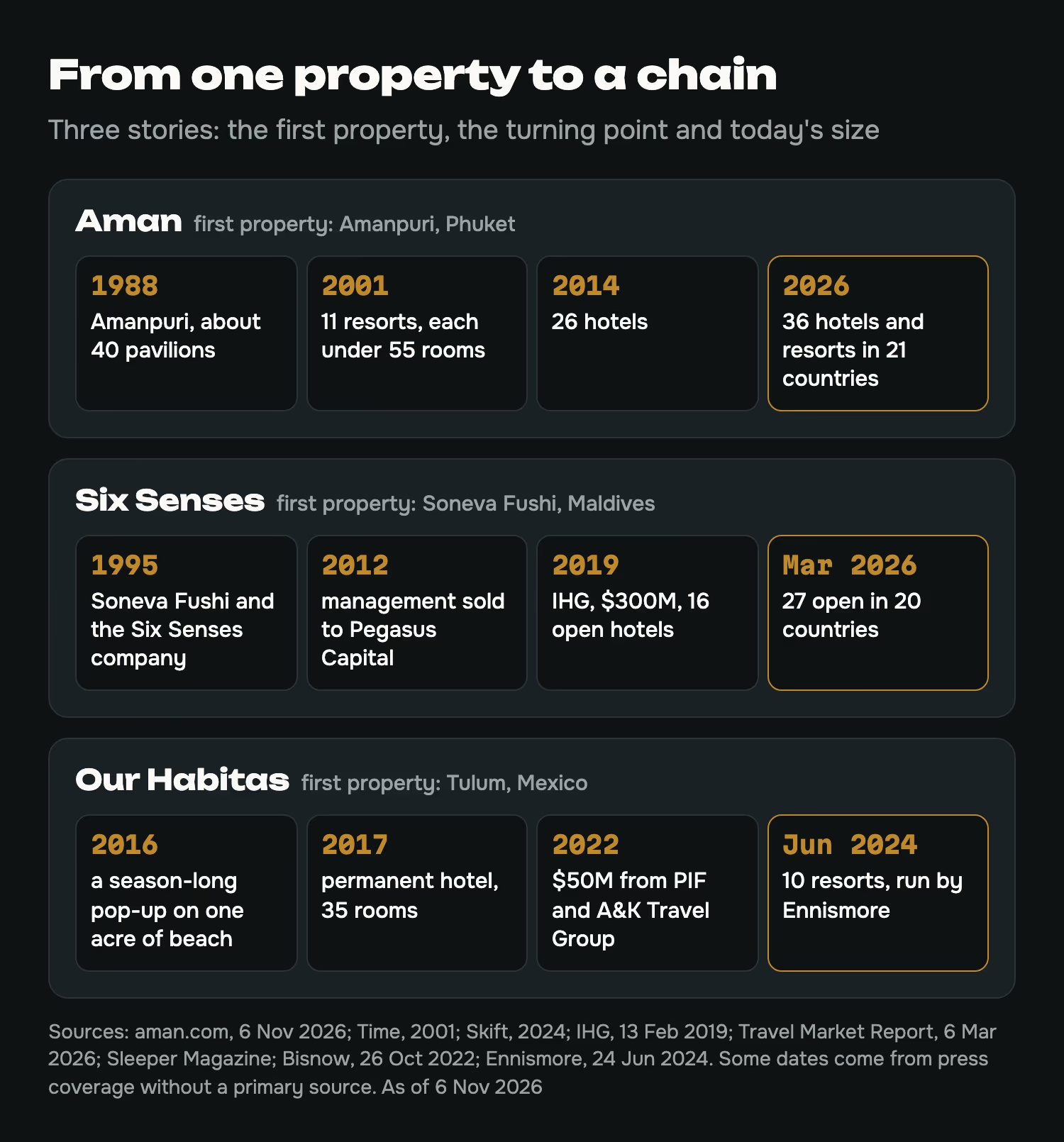
Aman began with Amanpuri on Phuket in 1988. Six Senses and Soneva began with Soneva Fushi in the Maldives in 1995. Our Habitas began with a beach pop-up in Tulum in 2016. Aman now runs 36 hotels and resorts in 21 countries, Six Senses had 27 open hotels in March 2026, and Habitas ten resorts in June 2024. Each chain first tested the format on one small property, then grew on other people’s money.
Aman Resorts history: Amanpuri in 1988 and where the chain is now
Amanpuri opened in 1988 on a former coconut plantation on Phuket. The Indonesian hotelier Adrian Zecha founded it. It started with roughly forty pavilions. Villas were added later, and it now has 84 rooms.
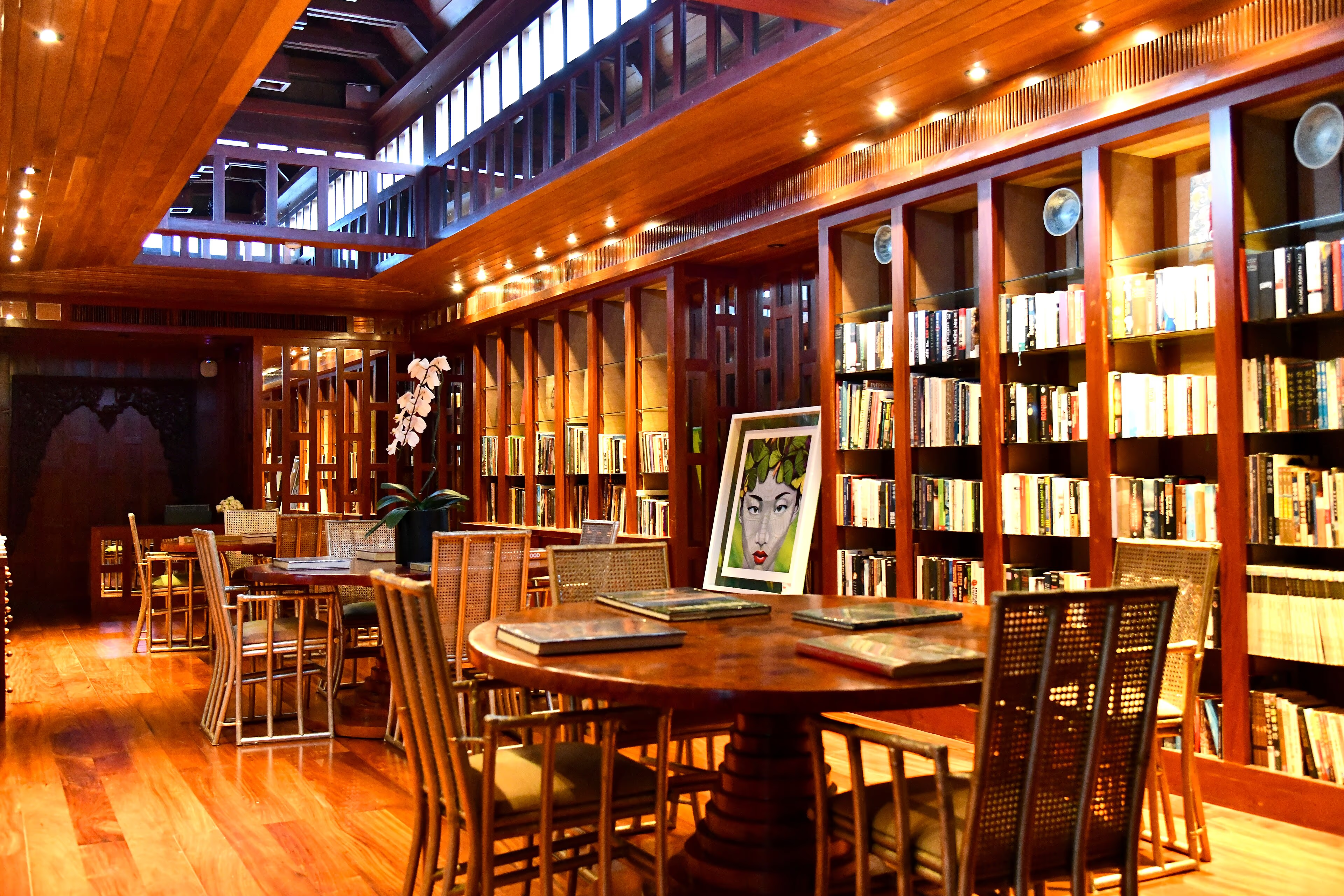
According to press accounts, banks would not lend to a project with so few rooms, so the partners put in their own money. A night cost about $250 against about $75 at the neighbouring hotel (Wallpaper). Zecha himself worried it might be “too elitist”.
By 2001 Aman had 11 resorts, each with fewer than 55 rooms (Time). By 2014 it had 26 hotels. From there the chain grew on investor money. According to public sources, the Aman stake changed hands several times from 1998, and in 2022 the Saudi fund PIF and Cain International invested $900 million at a valuation above $3 billion (Aman press release).
Per aman.com on 6 November 2026, that is 36 hotels and resorts in 21 countries. The resorts are still small: about 35 rooms on average (Aman’s CEO, Skift, February 2024).
Six Senses founder: Sonu and Eva Shivdasani, from Soneva Fushi to IHG
Sonu and Eva Shivdasani founded Six Senses in 1995. The same year they opened their first resort, Soneva Fushi, on Kunfunadhoo island in the Maldives. It carried the Soneva name, not Six Senses: two brands from one couple.

The couple first visited the Maldives in 1987, leased the island around 1990 and lost several auctions before that. The resort opened in 1995 with 48 villas (per press accounts). Open sources do not say what the first property cost.
In 2012 the Shivdasanis sold the Six Senses management contracts to Pegasus Capital Advisors and kept Soneva. In February 2019 IHG agreed to buy Six Senses for $300 million in cash. The real estate was not part of the deal. Six Senses then had 16 open hotels and 18 signed contracts, with more than $13 million a year in fees (IHG). By March 2026, Travel Market Report counts 27 open hotels in 20 countries.
Soneva stayed a separate company, but in May 2025 KSL Capital Partners took a controlling stake.
Our Habitas: from a Tulum pop-up to ten resorts
Kfir Levy, Eduardo Castillo and Oliver Ripley founded Our Habitas. Sources give different years, from 2014 to 2016. They started with music events and tented camps for a couple of hundred guests.
In Tulum they built a pop-up for the 2016 season on one acre of beach. In 2017 it became a permanent 35-room hotel. In 2018 the second property opened in Namibia: 15 rooms in a private reserve.
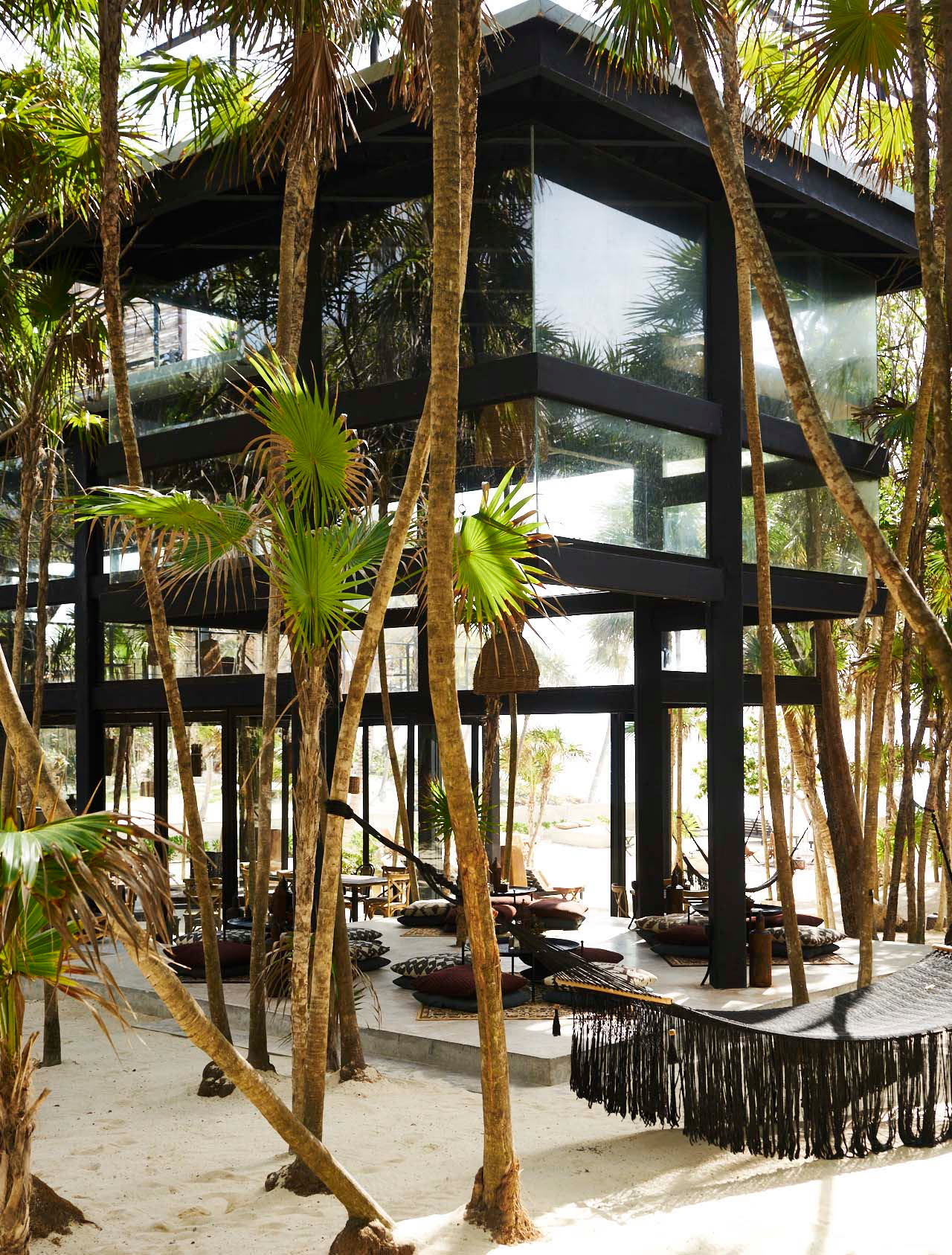
Outside money followed: $20 million in 2020, $50 million from PIF and A&K Travel Group in 2022, $85 million in total according to Bloomberg. We could not find where the money for the first property came from. In June 2024 Ennismore took over management and growth, with ten resorts open on four continents (Ennismore press release). We found no newer count of open resorts.
First property vs today: the chains side by side
| Chain and first property | Opened | Size | As of |
|---|---|---|---|
| Aman: Amanpuri, Phuket, about 40 pavilions | 1988 | 36 hotels | Nov 2026 |
| Six Senses: Soneva Fushi, Maldives, 48 villas | 1995 | 27 hotels | Mar 2026 |
| Our Habitas: Tulum, 35 rooms | 2016 | 10 resorts | Jun 2024 |
What came next. Aman: changes of owner and $900M from PIF and Cain International (2022). Six Senses: Pegasus Capital (2012) and IHG for $300M (2019). Habitas: $85M raised and Ennismore (2024).
Thirteen years after Amanpuri, Aman had 11 resorts; eight years after the pop-up, Habitas had ten. Six Senses had 16 open hotels in 2019.
Why chains grow on other people’s money: asset-light
All three ended up with outside capital. Six Senses also manages other people’s hotels: IHG bought it without the real estate, for the management business. The model is called asset-light: the company operates hotels or licenses its brand, while the building and the land belong to someone else.
IHG itself reports, for 2025, that 73% of its rooms are franchised, 27% are managed and under 1% are owned or leased. So in IHG hotels the owner of the building and the holder of the brand are almost always different.
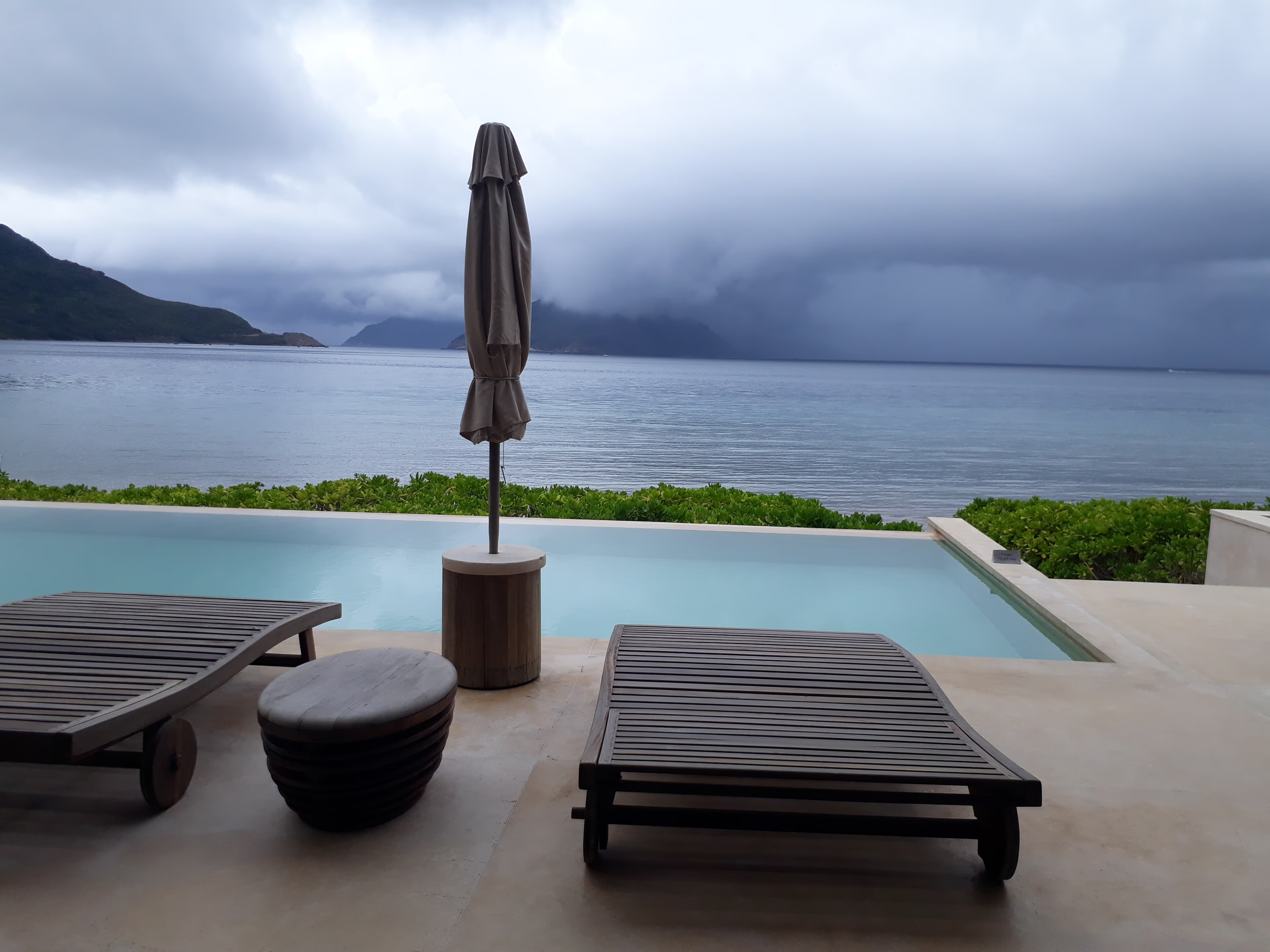
The first property in each chain was small: few rooms, and at Amanpuri a night cost about three times the neighbour’s. It tested the format. We could not find how the first Six Senses and Habitas properties were financed. The chains were then built on outside money.
What to know if you invest in a small hotel
Three questions follow from these stories. What exactly do you own: a share of a company, a room, a land right, or only the right to use a brand? Who runs the hotel, and what do they get for it? And whose sign is on the building?
At Nord Nest an investor buys a share in the company that owns the whole hotel: 8 villas, a restaurant, a spa, a thermal complex (a bathhouse and soaking tubs) and the land lease. GRC runs the hotel. Profit is split 70% to the share owners and 30% to GRC as its own share in the company. Terms and the model are on the project page and in the article Hotel real estate investment.
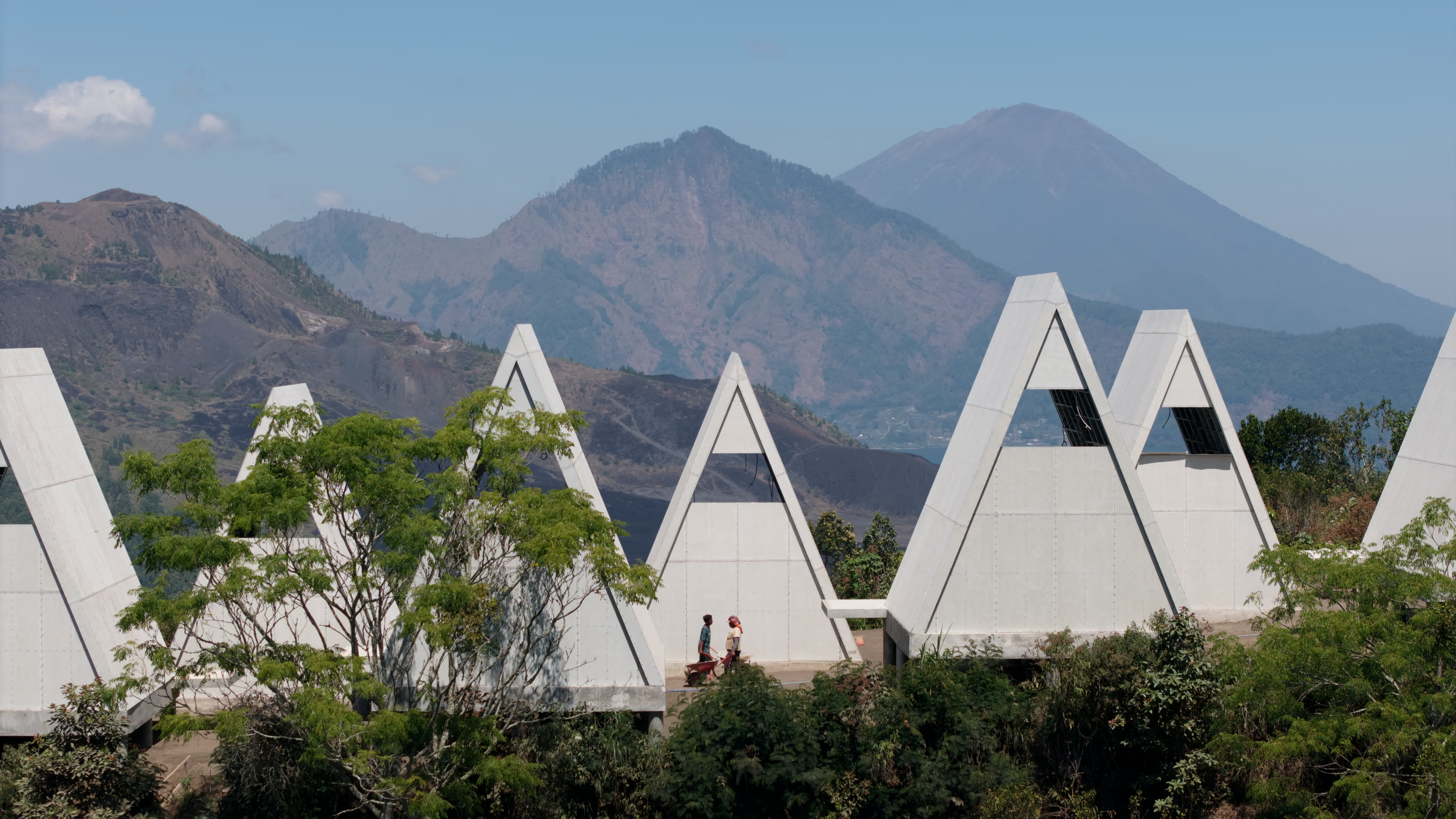
We do not compare Nord Nest with these chains by class or price, and we do not promise to follow their path. One thing is shared: a single small property that first has to prove the format works. What a boutique hotel is, we cover in Boutique hotel: what it means.
Next we look at why we chose a whole small hotel over apartments sold one by one: Boutique hotel vs villa: how to invest in a Bali hotel.
FAQ
Who owns Aman? Vladislav Doronin leads Aman Group. He became CEO in 2014 and, according to public sources, owned the chain outright from 2015. In 2022 PIF and Cain International invested $900 million in the company.
Who bought Six Senses? IHG Hotels & Resorts. In February 2019 it agreed to buy the company from Pegasus Capital for $300 million in cash. The real estate was not included.
What does asset-light mean? A model where a hotel company operates hotels or sells its brand by franchise but does not own the buildings or the land. The owner pays for construction, and the company earns a fee.
Who founded Six Senses? Sonu and Eva Shivdasani, in 1995. Their first resort was Soneva Fushi in the Maldives.